


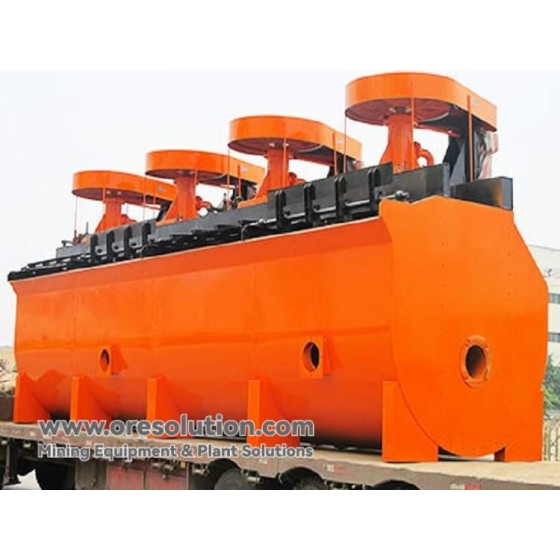
Metallurgical Lab Testing & Mineralogy Guide: Why Mineral Analysis is the DNA of Your Mining Project
In the global mining industry, millions of dollars are lost every year by investors who make a fatal, yet incredibly common mistake: copying a neighboring mine's flowsheet without testing their own ore. They buy crushers, install flotation cells, and hire operators, only to find out that their recovery rate is 40% instead of the projected 90%. By the time they realize the problem, the capital expenditure (CAPEX) has been burned, and the project is bankrupt.
The harsh geological truth is that no two ore bodies are exactly alike. Even if a copper deposit is just 500 meters away from a highly profitable mine, its mineralogy, hardness, and oxidation levels can be vastly different. The only way to guarantee profitability, secure bank financing, and design an efficient processing plant is through rigorous Metallurgical Lab Testing and Mineralogy Analysis.
At OreSolution, we operate a world-class metallurgical laboratory that serves as the brain behind every EPC project we execute. From initial X-Ray Diffraction (XRD) to complex Closed-Circuit Flotation testing, this comprehensive guide will walk you through the scientific processes we use to mitigate your investment risk and engineer the perfect flowsheet.
A comprehensive metallurgical bench-test program typically costs less than 1% of a plant's total CAPEX. Skipping this step is financial suicide. If you over-estimate your ore's grindability, your Ball Mill will be too small, permanently crippling your daily tonnage. If you misunderstand your mineralogy, you will buy the wrong flotation reagents, sending your valuable metal straight into the tailings dam.
Part 1: Mineralogy - The X-Ray of Your Ore Body
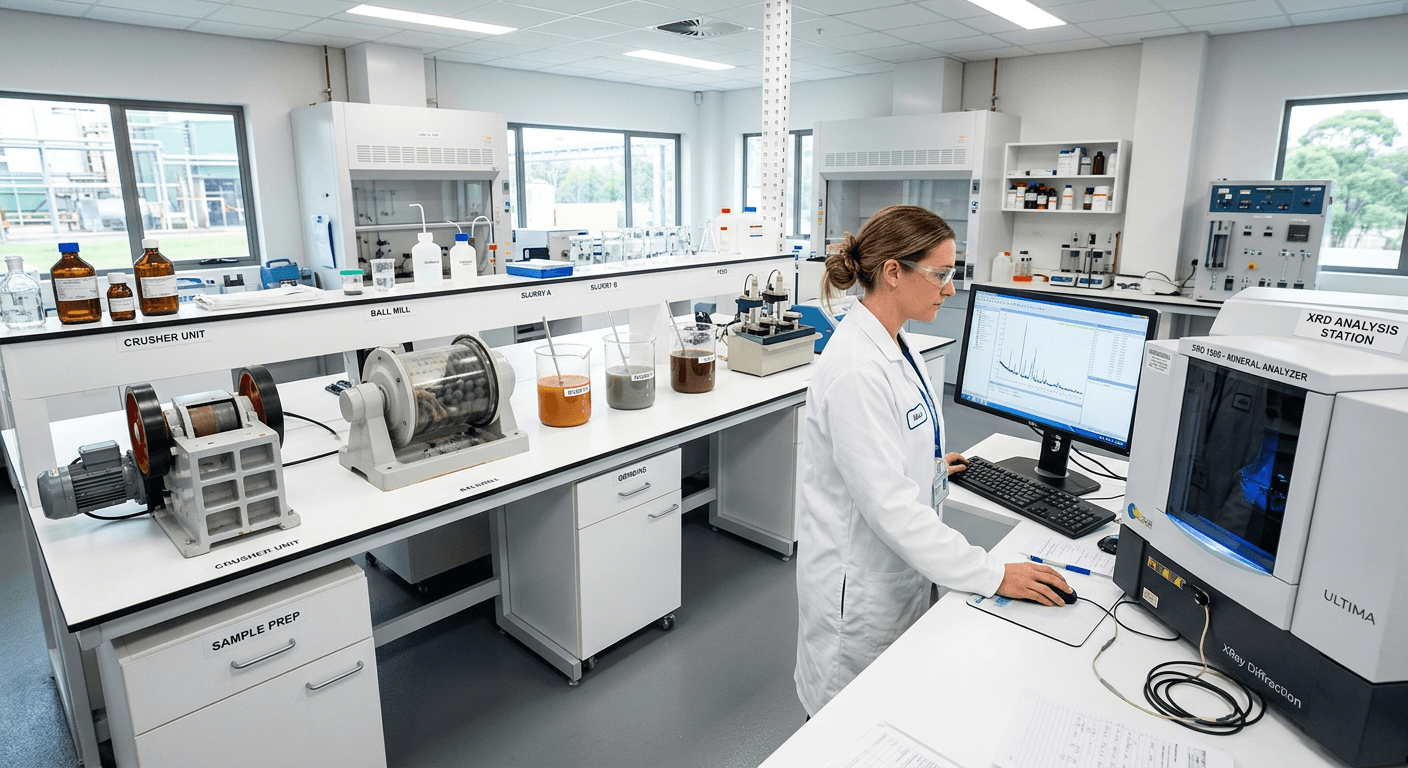
Before we attempt to separate any minerals, we must know exactly what elements exist in the rock and, more importantly, *how* they are structurally bound together. Chemical assay tells us what is there; Mineralogy tells us how to get it out.
Part 2: Comminution Testing - Sizing the Grinding Circuit
Crushing and grinding (comminution) consume up to 50% of a mining operation's total energy budget. Guessing the hardness of your rock will lead to catastrophic bottlenecks. Our lab performs specific mechanical tests to size your Jaw Crushers and Mills.
- Bond Work Index (BWI): This is the global industry standard for ball mill sizing. We grind your sample in a standardized laboratory mill to calculate exactly how many kilowatt-hours (kWh) of energy are required to crush one ton of your ore from a specific feed size to a specific product size.
- Drop Weight Test (DWT) / SMC Test: Used to determine the impact breakage parameters of the rock. This data is absolutely crucial if your plant design involves a SAG Mill or High-Pressure Grinding Rolls (HPGR).
- Abrasion Index (Ai): Determines how quickly your ore will wear down the steel liners and grinding balls inside the mill. This allows us to accurately forecast your ongoing Operating Expenditure (OPEX).
Part 3: Gravity Separation Testing
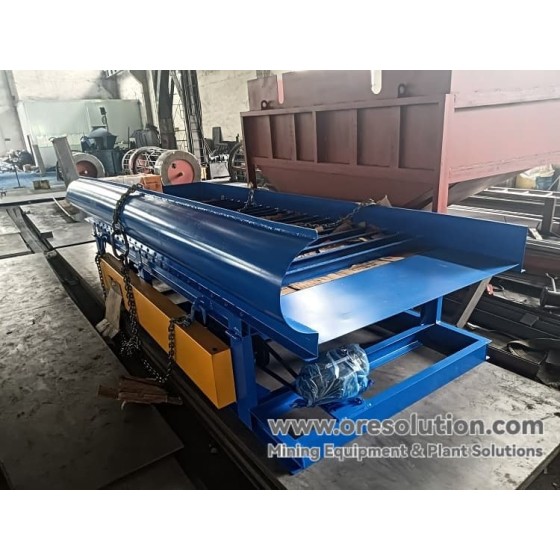
If your ore contains minerals with a significant density difference compared to the host rock (such as Gold, Tin/Cassiterite, Tungsten, Chrome, or Barite), gravity separation is the cheapest and most environmentally friendly processing method. Our lab determines its feasibility.
Part 4: Froth Flotation Testing - The Chemical Puzzle
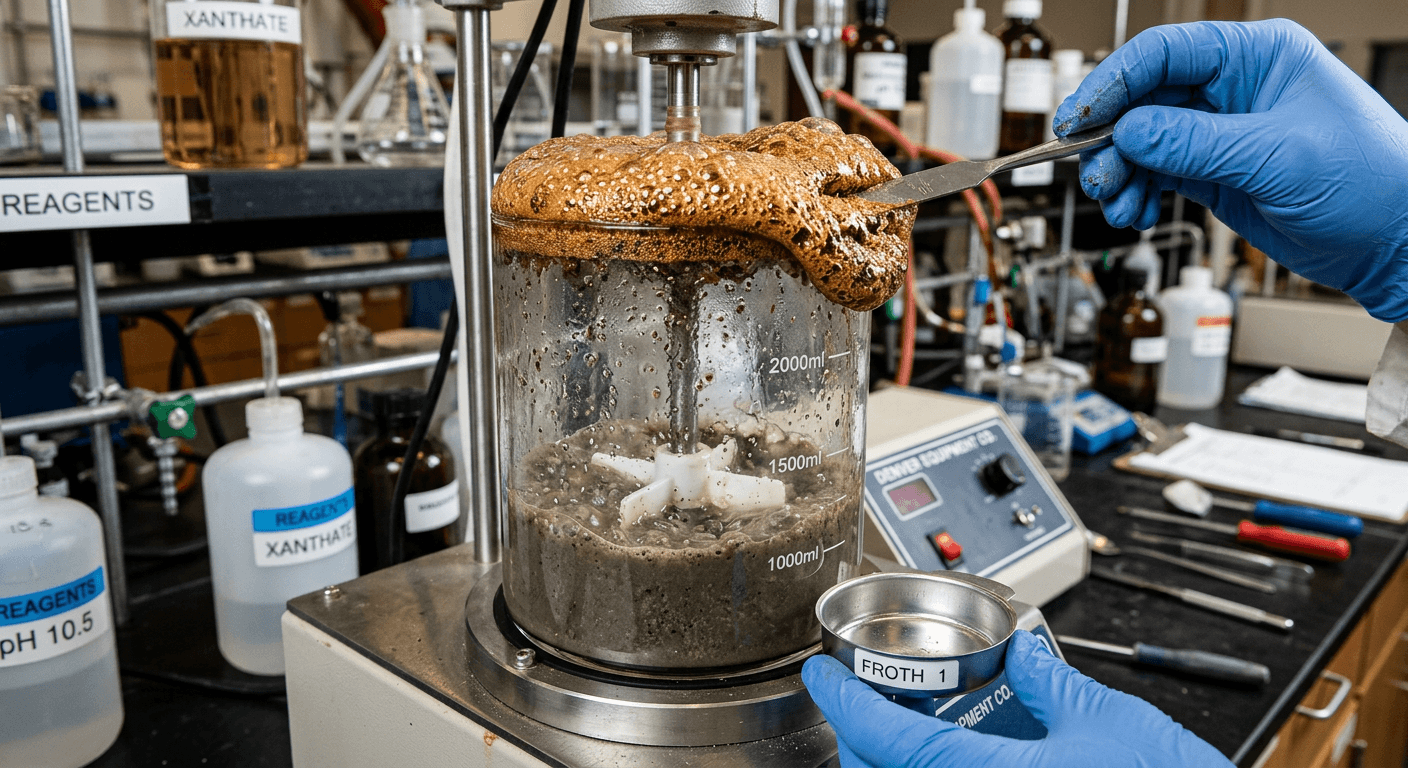
For base metals (Copper, Lead, Zinc, Nickel), non-metallics (Fluorite, Graphite), and complex precious metals, Froth Flotation is the core technology. The flotation laboratory is where OreSolution engineers spend the most time, tweaking the chemistry to achieve maximum selectivity.
1. Reagent Screening (The Recipe)
We test dozens of combinations of Collectors (Xanthates, Amines, Fatty Acids), Frothers (MIBC, Pine Oil), and Depressants (Lime, Sodium Silicate, Cyanide). The goal is to find the exact chemical cocktail that makes the valuable mineral hydrophobic (float) while keeping the gangue hydrophilic (sink).
2. Flotation Kinetics (The Time Factor)
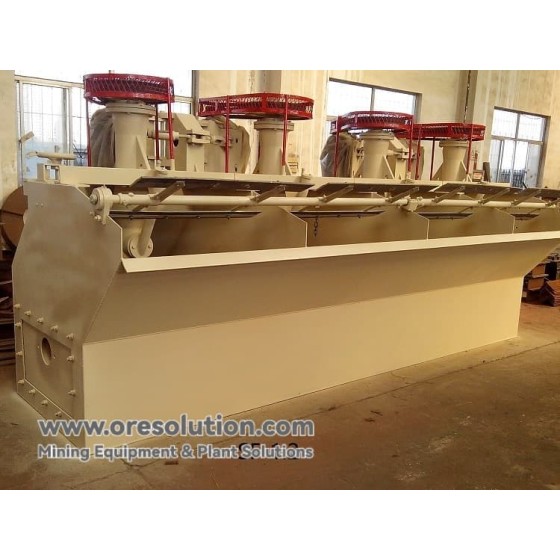
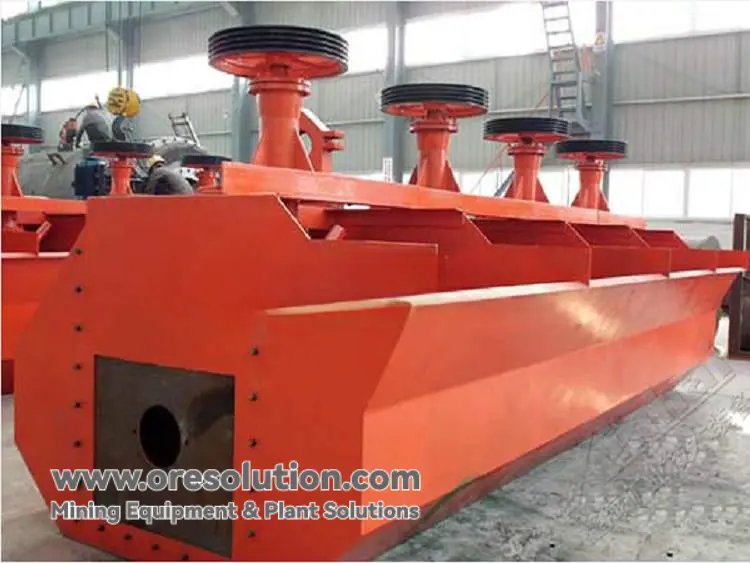
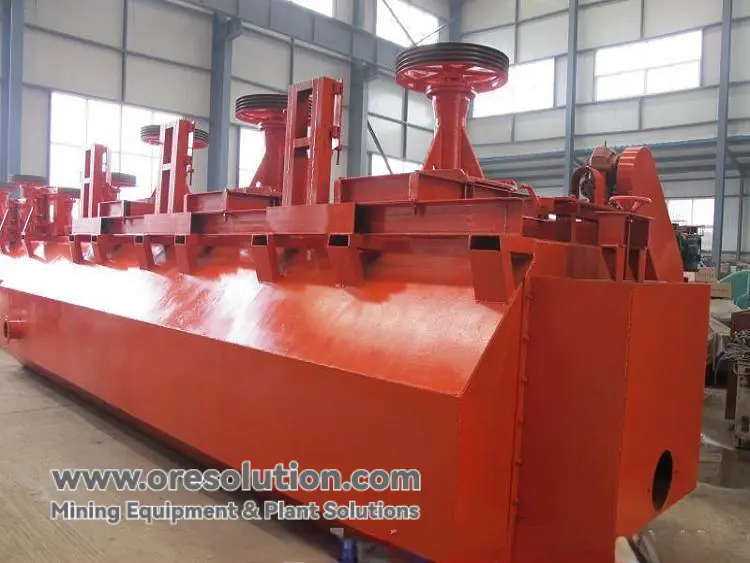
We measure exactly how fast the mineral floats. Does 80% of the copper float in the first 3 minutes, or does it take 12 minutes? This data dictates exactly how many Flotation Machines you need to buy to achieve the required retention time in a 100 TPH plant.
3. Open-Circuit vs. Locked-Cycle Tests (LCT)
An "Open-Circuit" test is a straight run: Rougher → Cleaner. However, in a real plant, "Middlings" (the tailings from the cleaner cells) are continuously pumped back to the rougher cells to save lost minerals.
To simulate this, we perform a Locked-Cycle Test (LCT). We run the lab flotation test multiple times consecutively, feeding the middlings from Test 1 into Test 2, and so on. The LCT provides the most accurate prediction of what the actual commercial recovery rate and concentrate grade will be in a continuous, full-scale plant.
Part 5: Magnetic, Electrostatic & Leaching Tests
Depending on the mineralogy, we complete the flowsheet testing with highly specialized procedures:
- Magnetic Testing (Davis Tube & Bench LIMS/WHGMS): For Iron Ore (Magnetite/Hematite), Tantalum, and heavy mineral sands. We use the Davis Tube to determine the theoretical magnetic recovery, followed by bench-scale Magnetic Separators to design the physical plant layout.
- Electrostatic Testing: Crucial for separating Zircon from Rutile, or Monazite from Cassiterite in dry mineral sands circuits.
- Cyanidation/Leaching Tests (Bottle Roll & Column Leach): For Gold and Silver. We test cyanide consumption rates, optimal pH (using Lime), and leaching time. If the ore is "Preg-Robbing" (containing natural carbon that steals gold), our lab will identify it and design a CIL (Carbon-in-Leach) circuit or recommend pre-oxidation roasting.
FAQ: Common Questions About Metallurgical Testing
A: It depends on the scope of the test. For a basic mineralogical analysis (XRD/XRF), a few kilograms are sufficient. For a comprehensive Gravity and Flotation flowsheet design (including Bond Work Index grinding tests and Locked-Cycle flotation), we typically require 50 kg to 200 kg of representative core samples or bulk rock.
A: A representative sample means the rock you send us accurately reflects the average grade and hardness of your entire ore body. If you only send us the highest-grade "hand-picked" quartz veins from the surface, we will design a plant for high-grade ore. When you start mining the lower-grade, harder rock underneath, the plant will fail. Always send a blend of core samples representing the life of the mine.
A: A standard bench-scale testing program, from initial crushing to final Locked-Cycle flotation and reporting, typically takes 4 to 8 weeks depending on the complexity of the ore. Rushing this process is highly discouraged, as the data generated here dictates millions of dollars in equipment procurement.
A: Yes. If you have already completed an independent NI 43-101 or JORC compliant metallurgical test program with a recognized laboratory, OreSolution's engineering team can take that data, scale it up, design the 3D plant layout, and manufacture the equipment for your EPC project.
Conclusion: From Bench Scale to Full Scale EPC
The laboratory is the undisputed foundation of mining profitability. A flowsheet designed on assumptions is a gamble; a flowsheet engineered from empirical metallurgical data is a bankable investment.
At OreSolution, our integration of laboratory science and heavy machinery manufacturing gives us a unique EPC advantage. We don't just run tests; our metallurgists work directly with our mechanical engineers to ensure that the chemical success achieved in a 2-liter lab cell translates flawlessly into a 500-cubic-meter Flotation Machine on your mine site.
Don't guess what's in your rock. Know it. Contact OreSolution today to arrange the shipment of your ore samples to our metallurgical laboratory and start the journey toward a profitable processing plant.